Damp patch on the ceiling: where it comes from and what to do
Painting over a damp patch only hides it for a few weeks. First you need to know where the water comes from. This guide helps you tell the most common causes apart and what to do in each case.
Free guideWritten by plumbers in south Tenerife24 h emergencies
The four most common causes
A pipe buried in the ceiling or wall
The stain grows even when it doesn't rain and the bathroom upstairs isn't used. It often appears near a door, a corner or where the pipes run. It is what we find most often in homes in the south.
The bathroom or kitchen upstairs
The stain is right below a shower, toilet or sink in the flat above, and gets worse when they use it. It usually comes from a drain, the floor trap or the seal around the shower tray.
The terrace or the roof
The stain is under a terrace or on the top floor and appears or grows after rain or after washing the terrace. It is usually the waterproofing or a drain.
Condensation
Black mould spots in corners and on the ceiling of bathrooms without ventilation, with no ringed stain. It is not a leak: better ventilation fixes it.
Three checks you can do yourself
- Do the meter test with every tap off. If it moves, there is a leak in your own water system. /en/guides/how-to-tell-if-you-have-a-water-leak/
- Notice when the stain grows: all the time (pipe), when the bathroom upstairs is used (neighbour), after rain or washing the terrace (roof).
- Look at the edge: a yellowish ring that keeps spreading is water coming in; black dots without a ring are usually condensation.
What to do now
- Don't paint yet. First the source, then drying, then paint.
- Take dated photos of the stain every few days: they show whether it grows and help with insurance.
- If it comes from a neighbour or a shared area, tell the community or the managing agent in writing.
- If water drips or the plaster bulges, move anything underneath and turn off the stopcock if you suspect your own pipes.
How we fix it
We locate the source before opening anything: tracer gas on water pipes, a camera inside drains. We open only at the point needed, repair the section, let it dry and close it with plaster or plasterboard and paint. If there is an insurance claim, we give you photos of the source and of the repair.
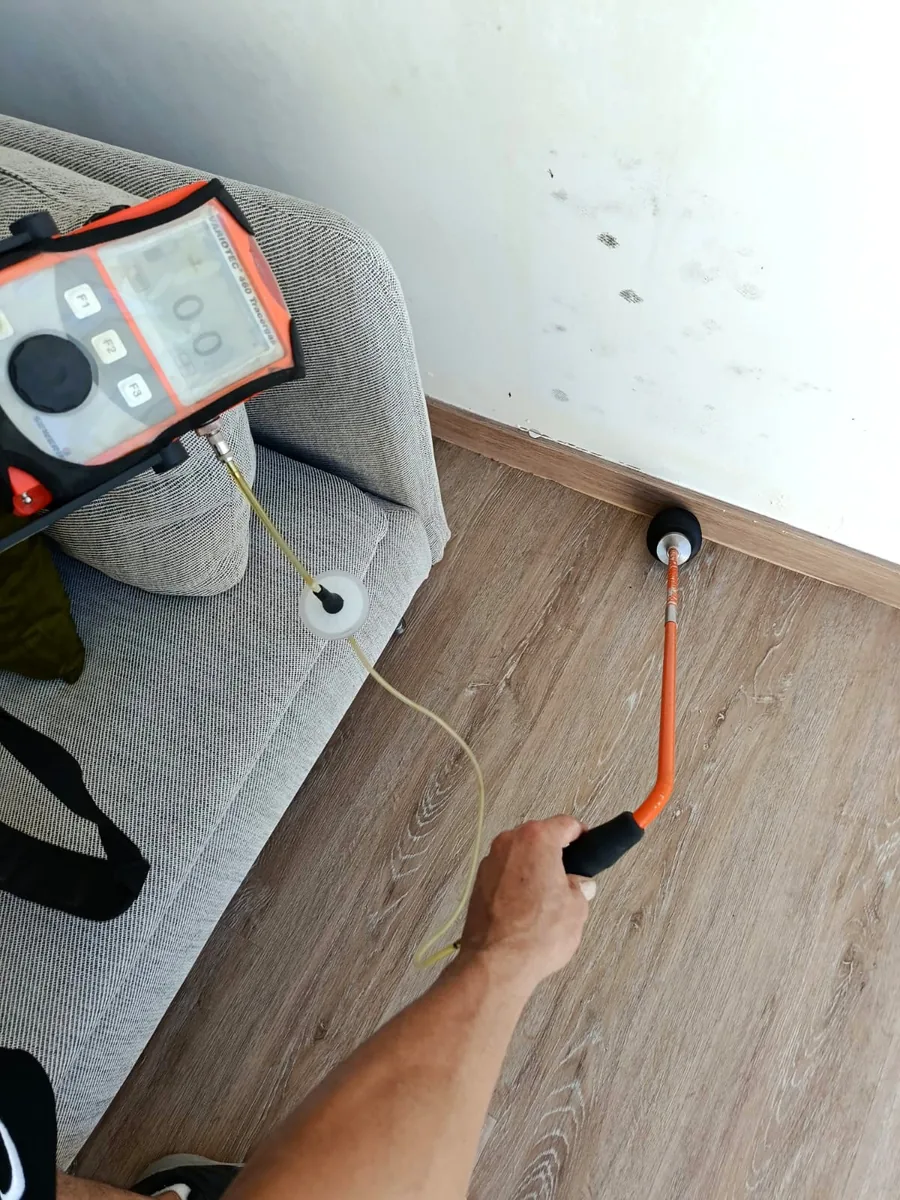
Leak detection without breaking walls
How we find the leak without tearing the house apart.
Leak detectionDamp ceilings we have fixed
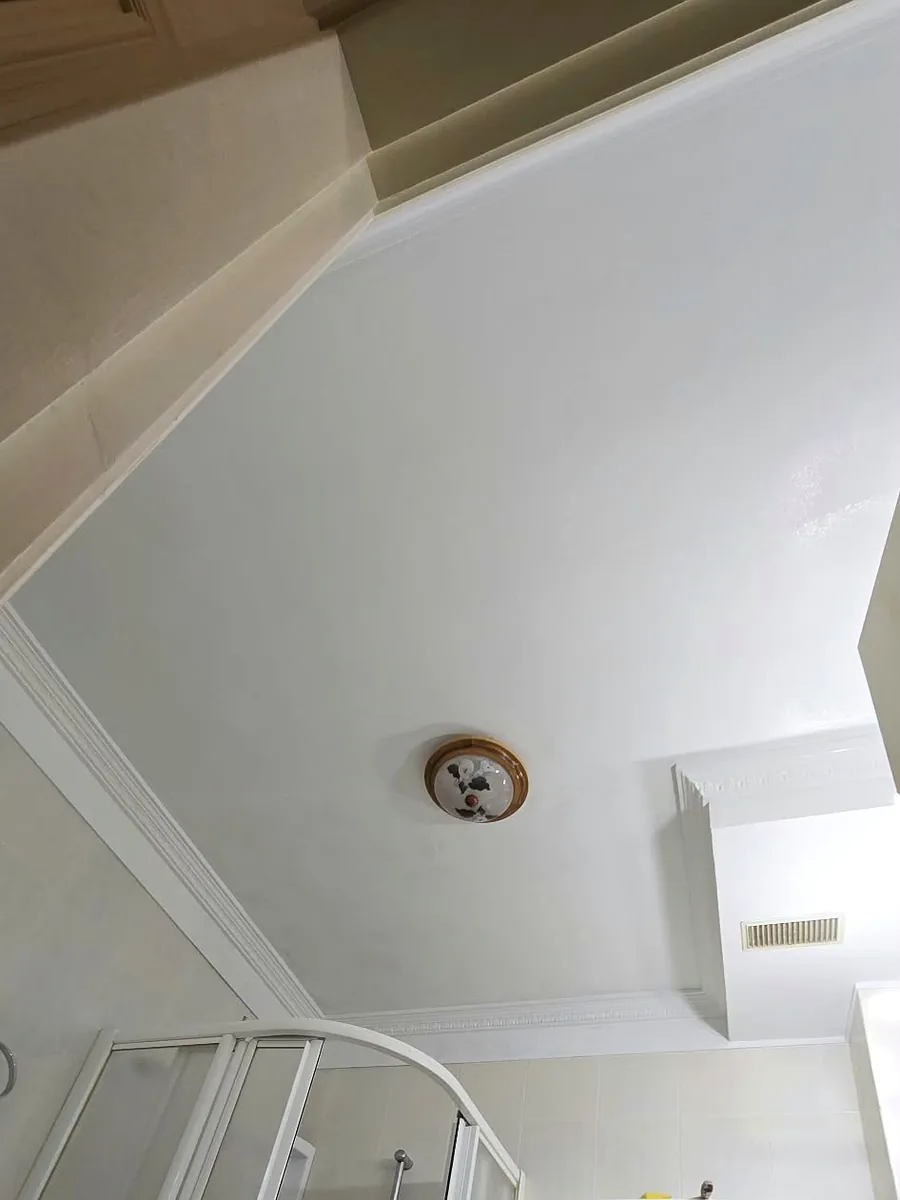
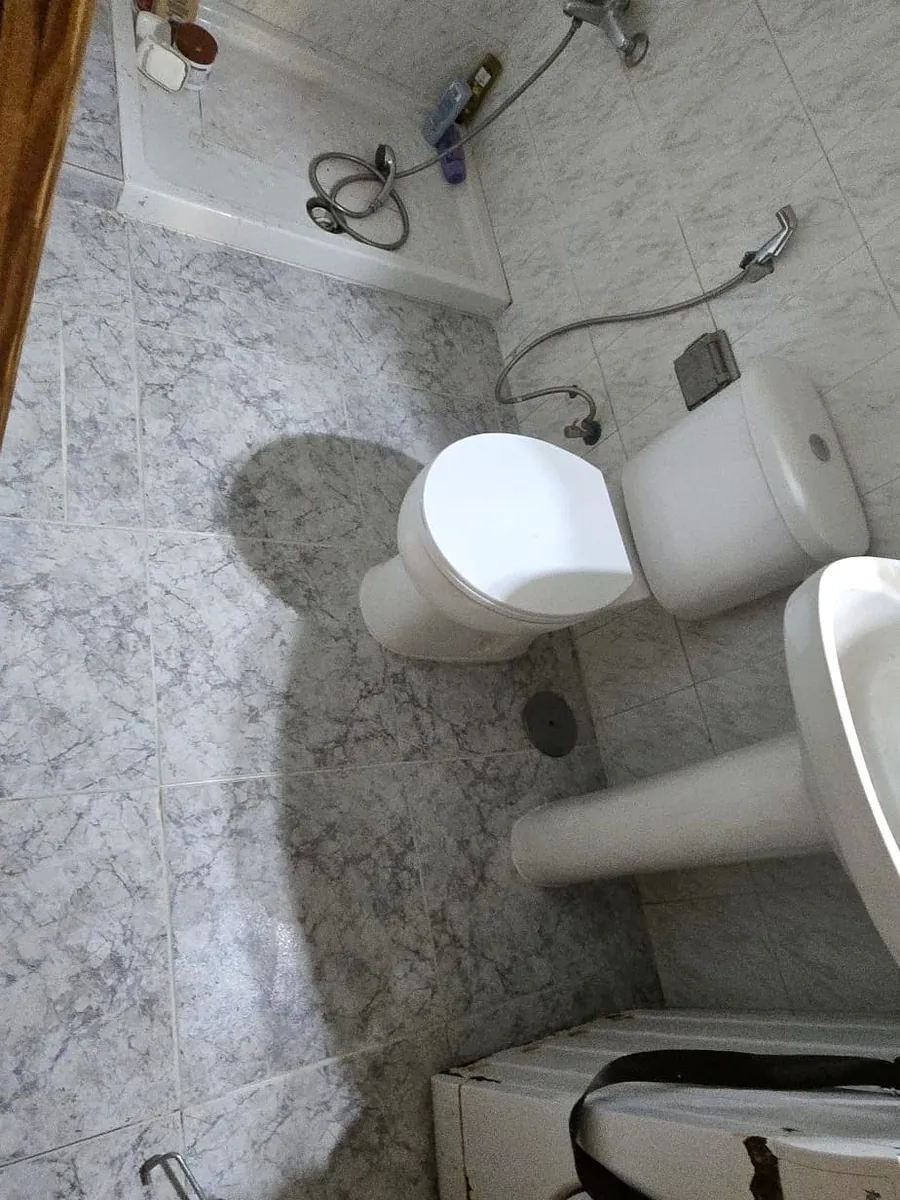
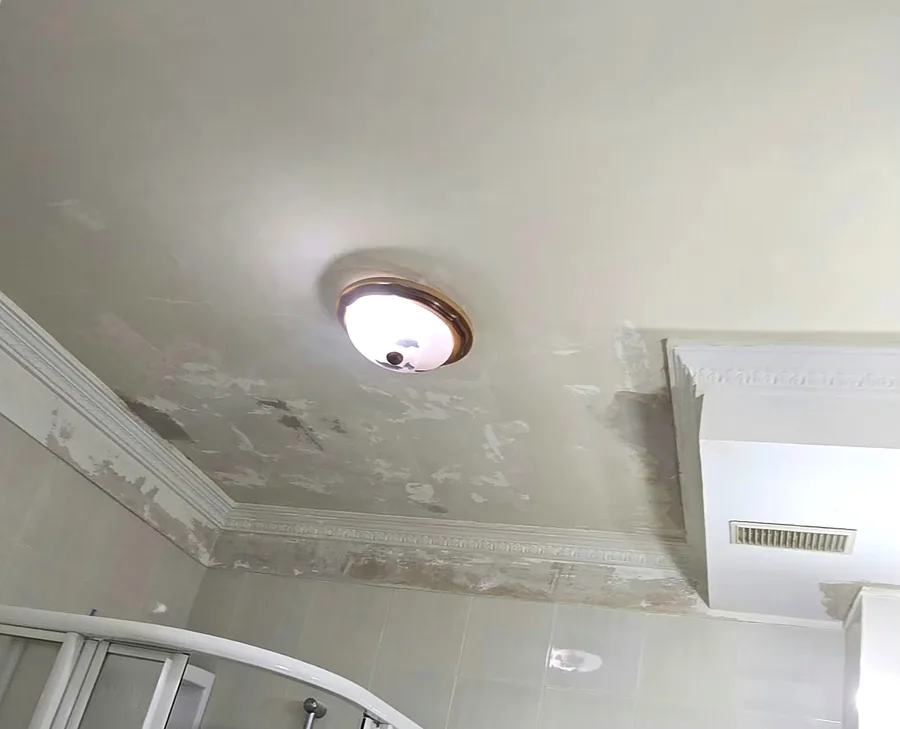
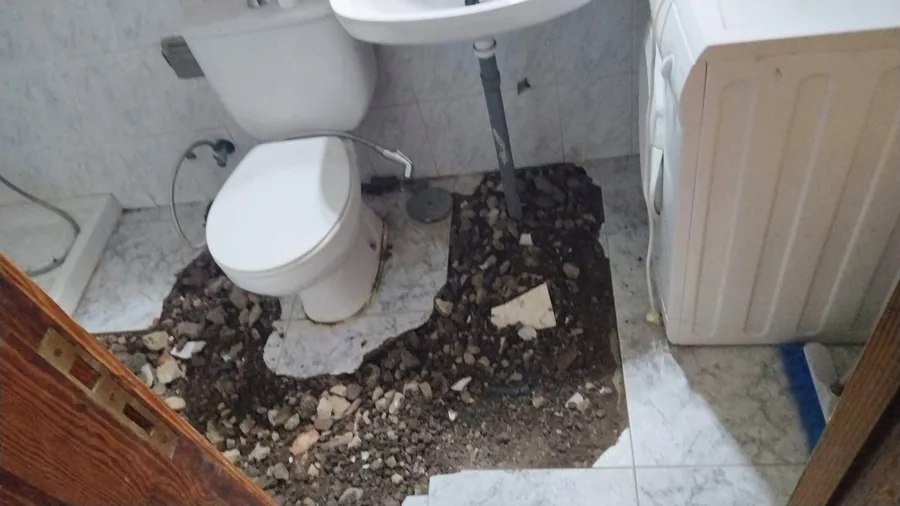
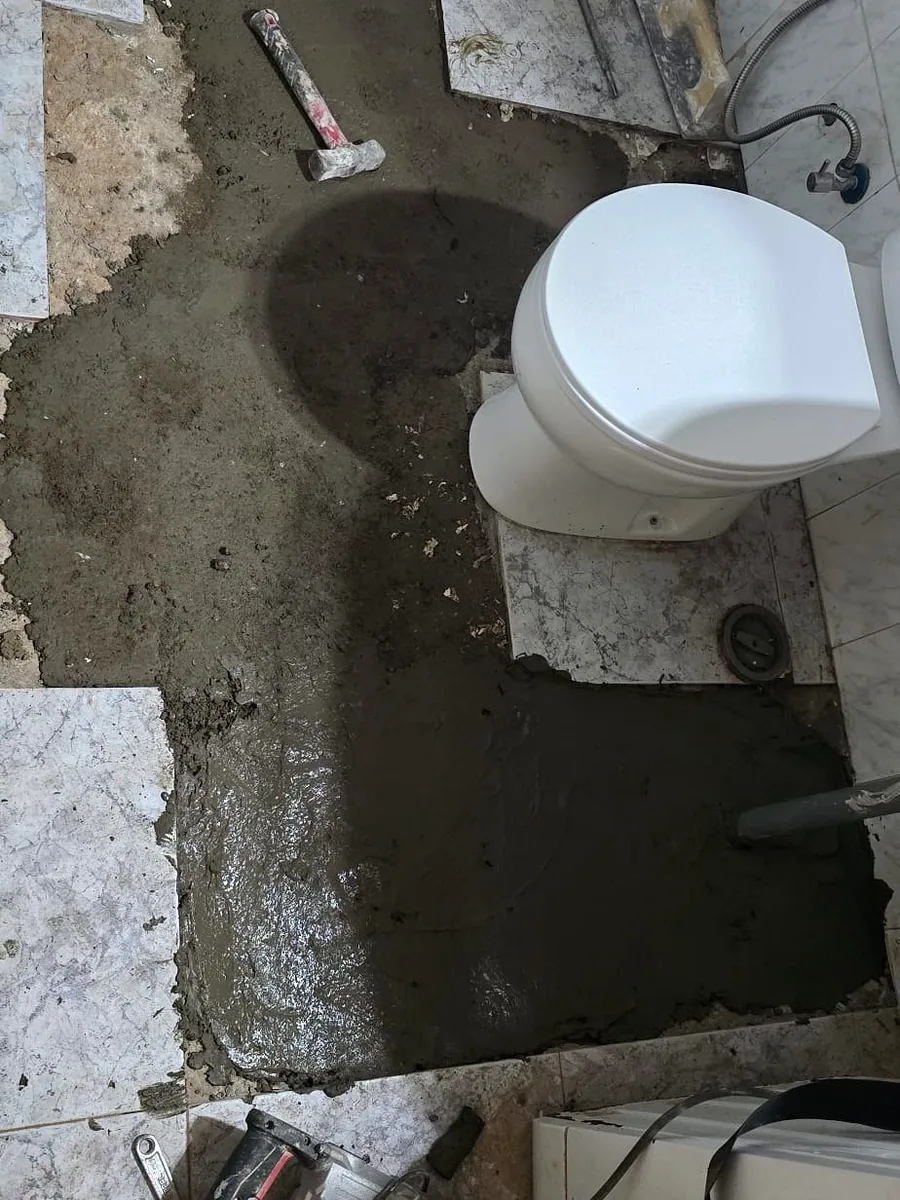
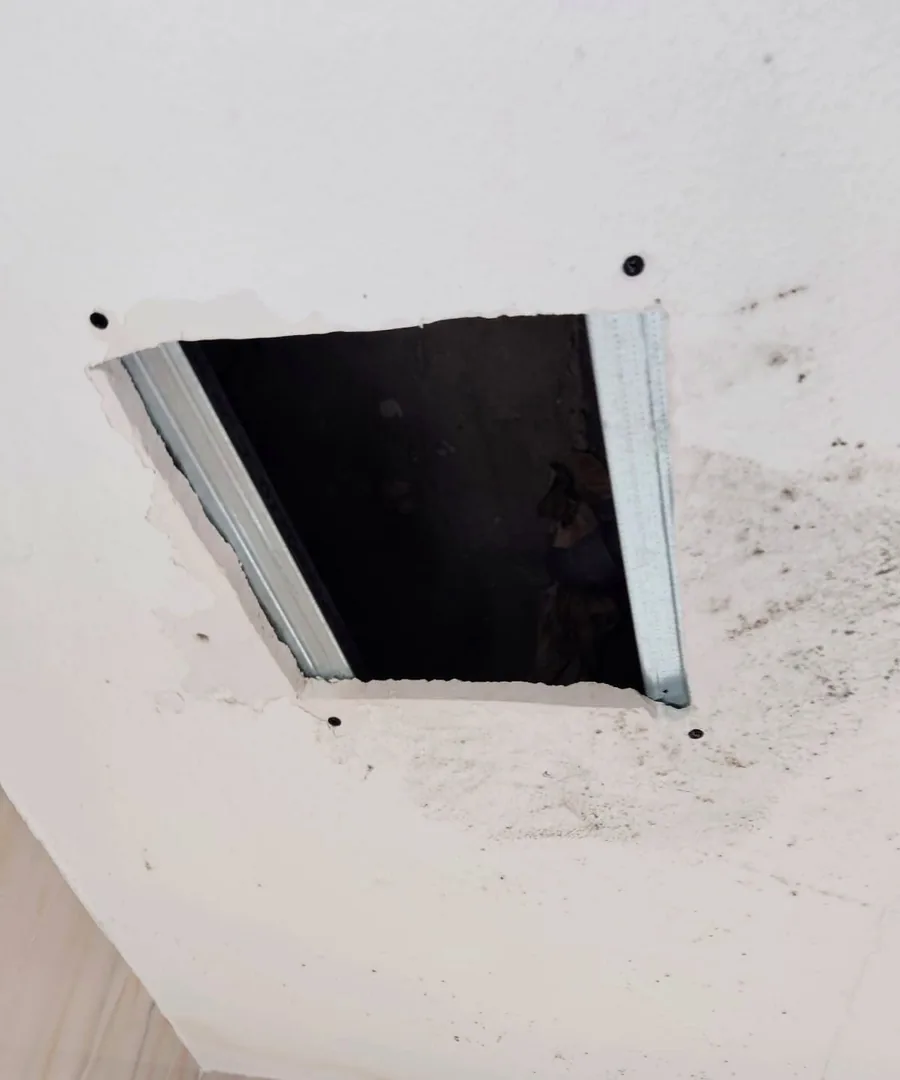
Photographs of our own jobs, taken by us. No stock images.
Frequently asked questions
Can I cover the stain with anti-damp paint?
It hides it for a while, but if water keeps coming it will show again and the plaster underneath keeps deteriorating. The source has to be stopped first.
Who pays if it comes from upstairs?
Usually the neighbour's or the community's insurance, depending on where it comes from. That is why documenting the source with photos matters.
How long does a ceiling take to dry?
It depends on how long it was wet and on the material. It is closed and painted once it is dry; if done earlier, the stain comes back.
Is it dangerous?
If the plaster bulges or cracks it can come down: move anything underneath and call as soon as you can.