Skip to content
Reparación de Viviendas El Sur

Water leak detection without breaking walls in south Tenerife

The leak is almost never where the stain shows. We trace it with a borescope camera and tracer gas, and open only the hand's width of wall that is actually needed.

Free visit and quote24 hIf anything fails, we come backEnglish spoken

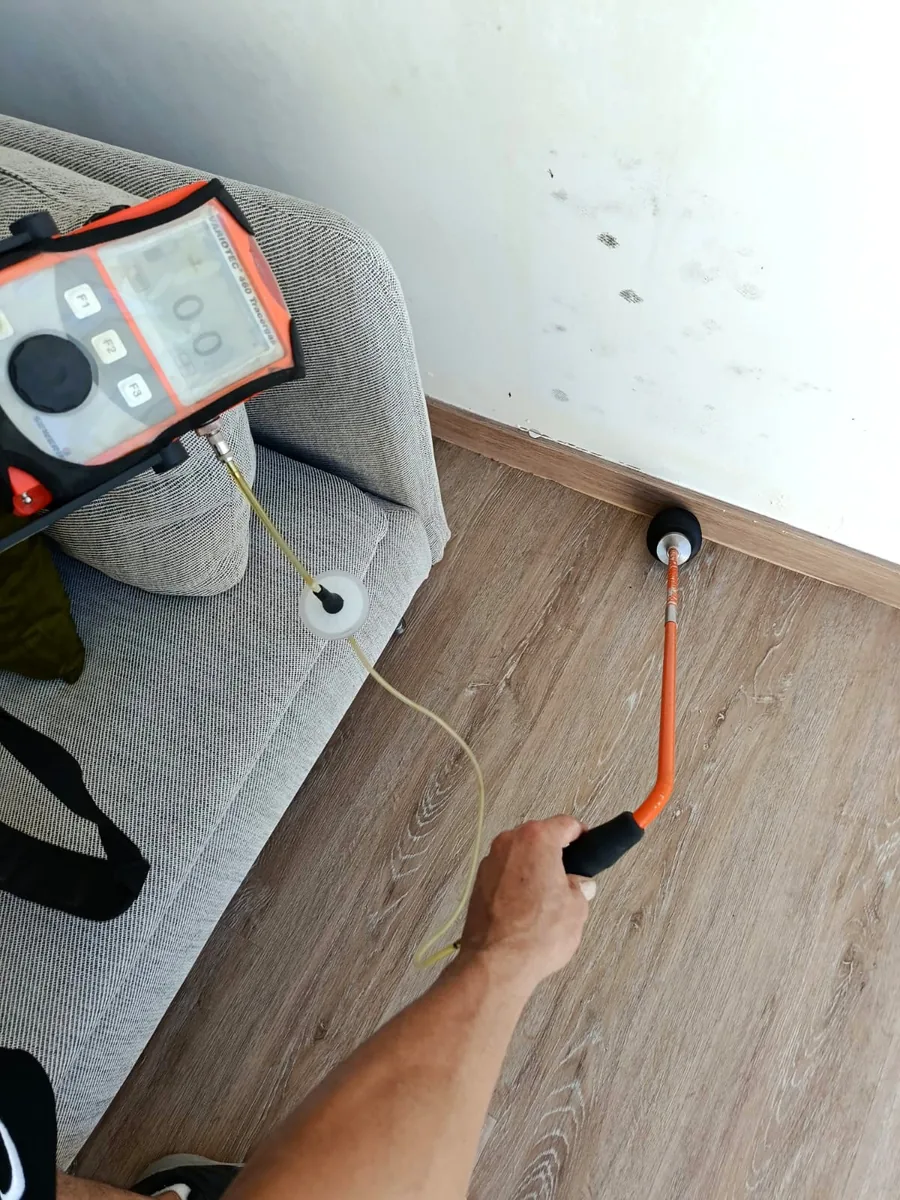
Technician running the tracer gas probe along the skirting board of a living room

Signs that you have a leak

  • The water meter keeps turning with every tap closed.
  • A stain or a bulge on a wall or ceiling, sometimes nowhere near the bathroom.
  • The water bill goes up without anything changing at home.
  • A warm patch on the floor, or the sound of running water inside a wall.
  • A musty smell that comes back however often you repaint.
  • Low pressure at one tap only.

Any of these is worth a look. A small leak inside a wall can take months to show itself, and by then the damage is no longer the pipe: it is the tiling, the ceiling and the furniture of the neighbour below.

Tell me what you see and I will tell you what it usually is

Tap your case: we tell you what it usually is, what we do about it and what you can do right now.

Locate first, open afterwards

Step 1 — Inspection and elimination.

We check the installation and the meter and rule out the obvious: a cistern losing water, a badly sealed waste, condensation. A good number of "leaks" are solved right here, without touching the building.

Step 2 — Camera inspection.

We pass a waterproof camera through the pipe and see what is actually happening inside: a break, a blockage, an open joint, a root. Diagnosis by looking, not by guessing.

Step 3 — Tracer gas.

When the leak is buried or inside the wall, we introduce a harmless, light gas into the pipe. It escapes precisely at the break and is detected from outside. That is what lets us mark the spot without lifting the whole floor.

Step 4 — Repair and making good.

We open the minimum, repair, and leave the surface as it was. If the tiling has to be redone or the wall repainted, we do that too: we do not leave your home open waiting for another trade.

What a real leak hunt looks like

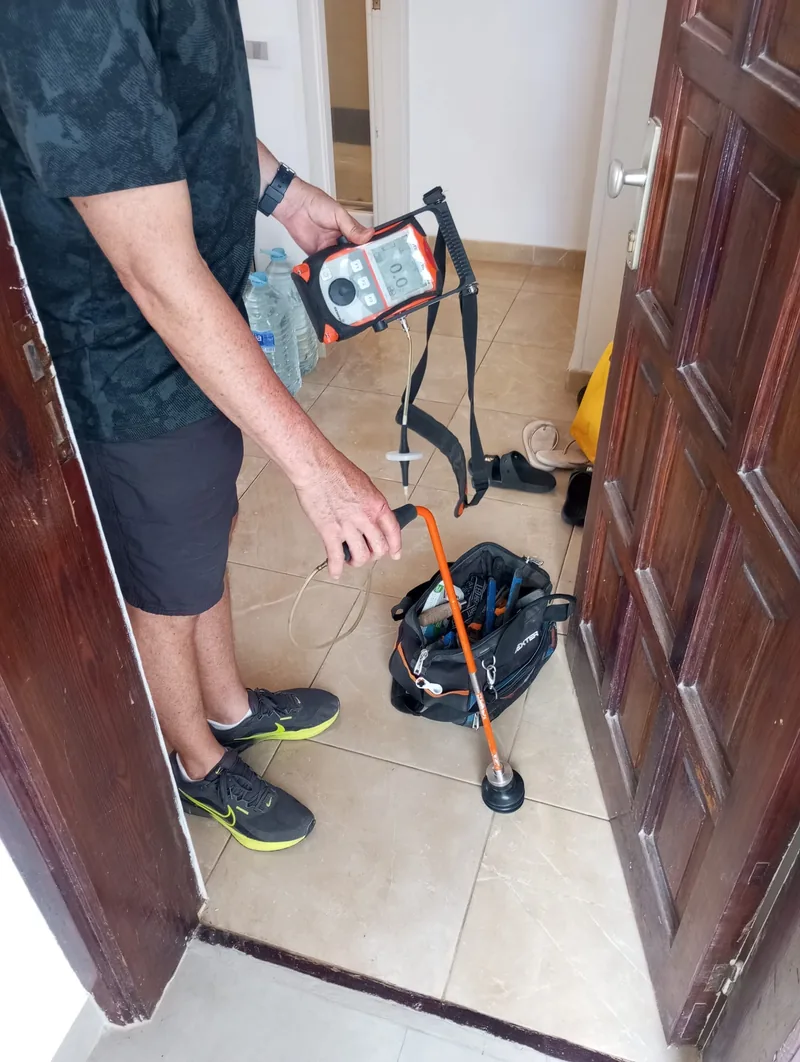
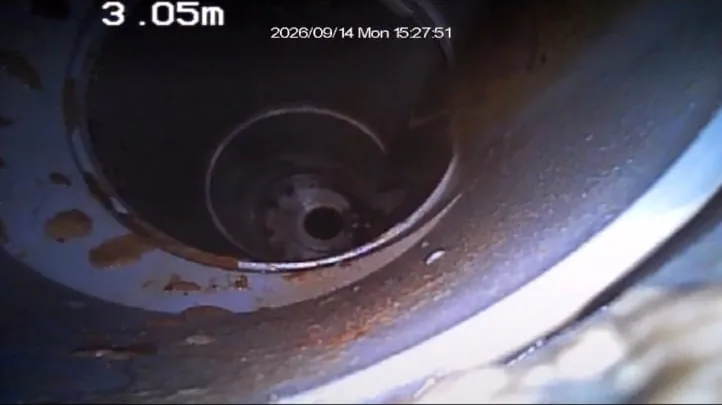
These photographs are from our own jobs, each in the order it happened. In the first one the kit is set up inside the home, the pipe is looked at from the inside with the microcamera, the pipework is charged with tracer gas, the place is swept point by point until the detector reacts, and only then is the wall opened.

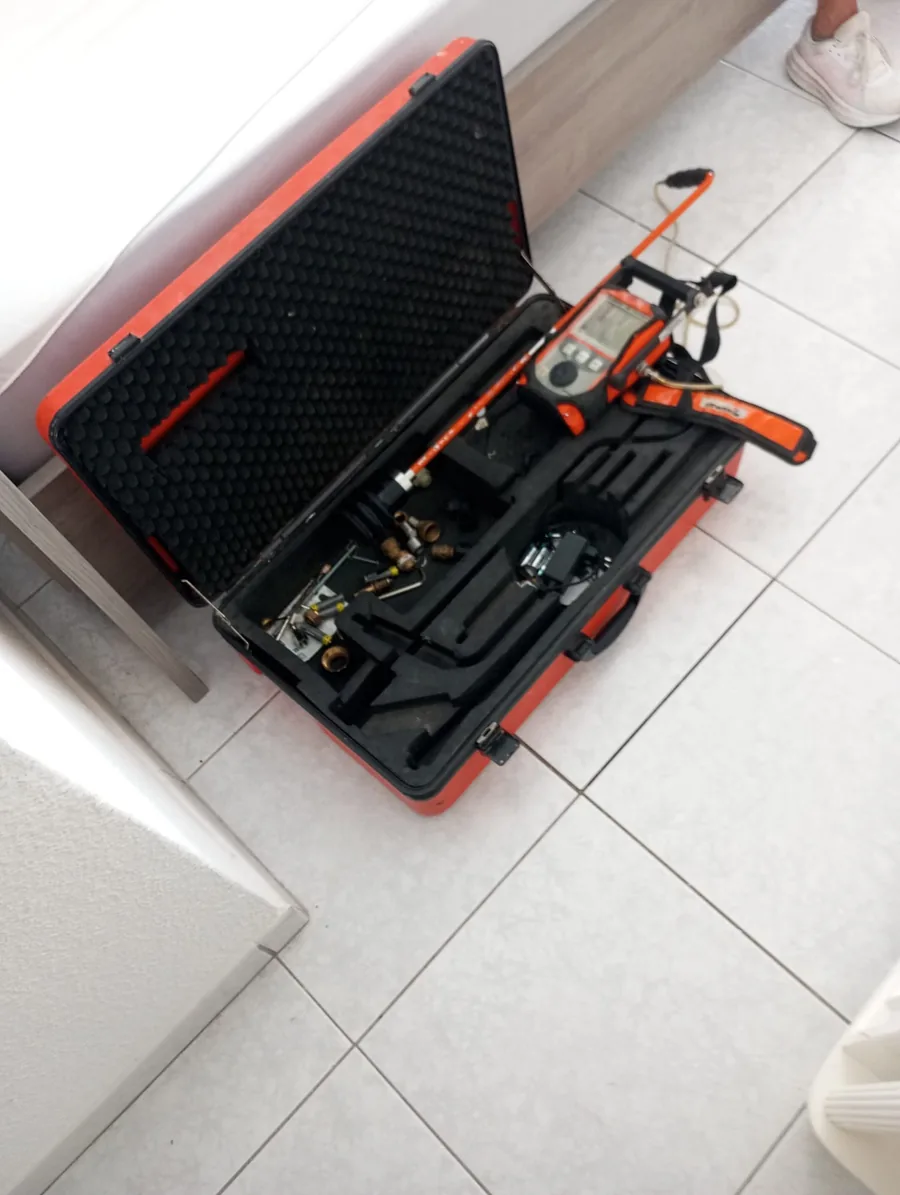
Open case with the leak detection kit: tracer gas detector, probe rod and fittings
What comes through the door: tracer gas detector, probe rod and fittings.
Technician measuring with the tracer gas detector and the bell probe resting on the floor
We measure first, we don't break first. The bell probe goes over the floor point by point.
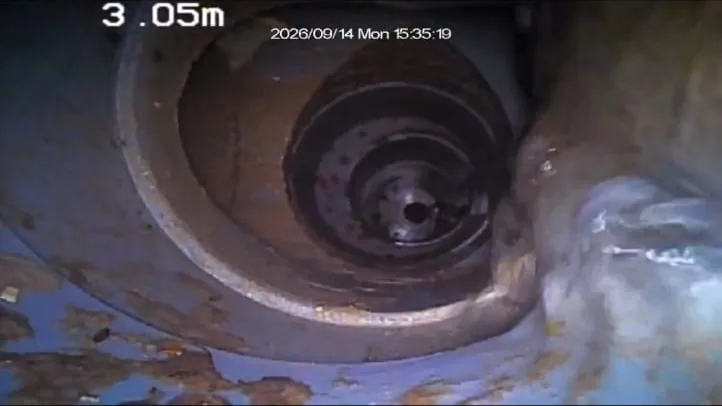
Microcamera image from inside a waste pipe, the depth counter reading 3.05 metres
What the microcamera sees inside the drain: the joint 3.05 m in, with the depth and the date burned into the image itself.
Microcamera image inside the drain: the pipe joint with a build-up stuck to the wall
Another frame from the same inspection: on the right, the build-up stuck to the pipe wall. This is what gets looked at before deciding where to open.
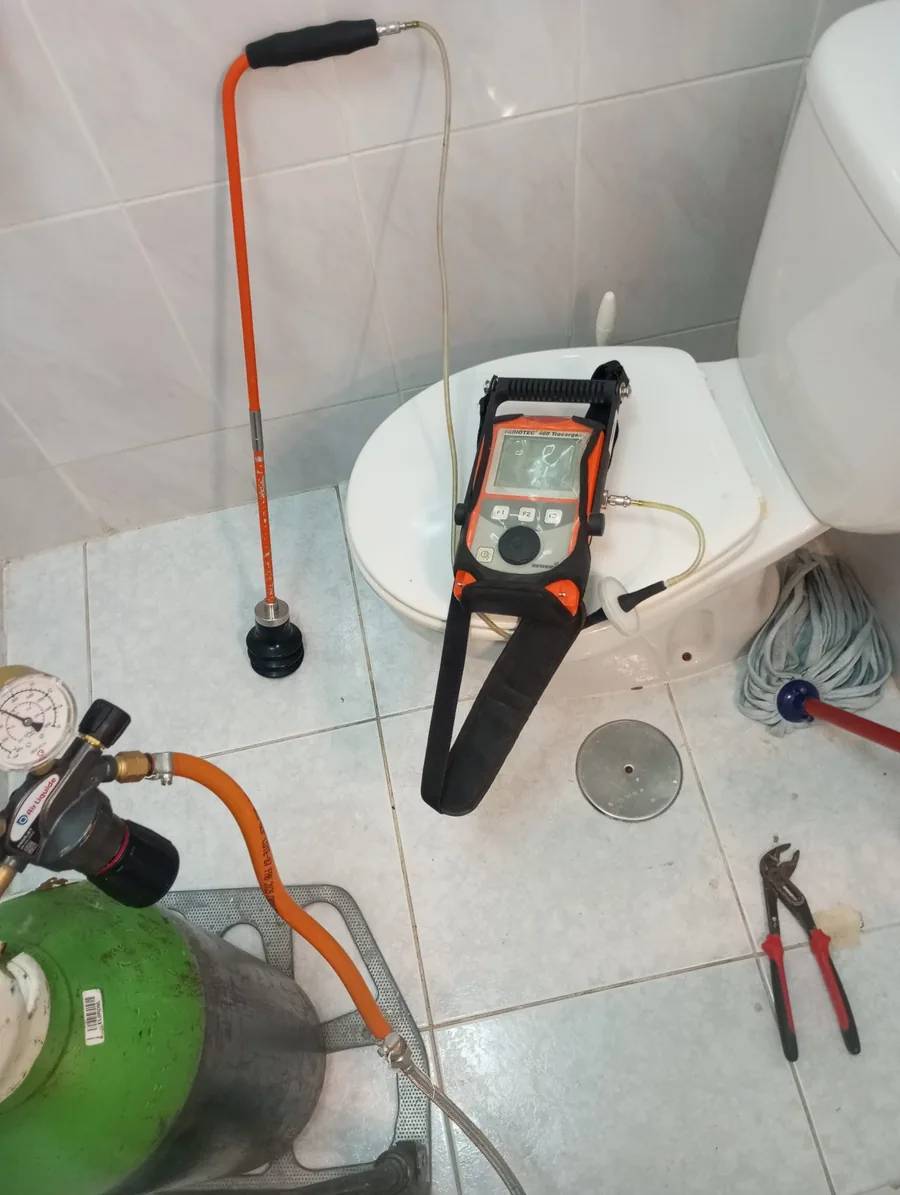
Tracer gas cylinder with pressure regulator connected to the toilet water inlet
The pipework is charged with tracer gas: inert, non-toxic, it escapes exactly at the break.
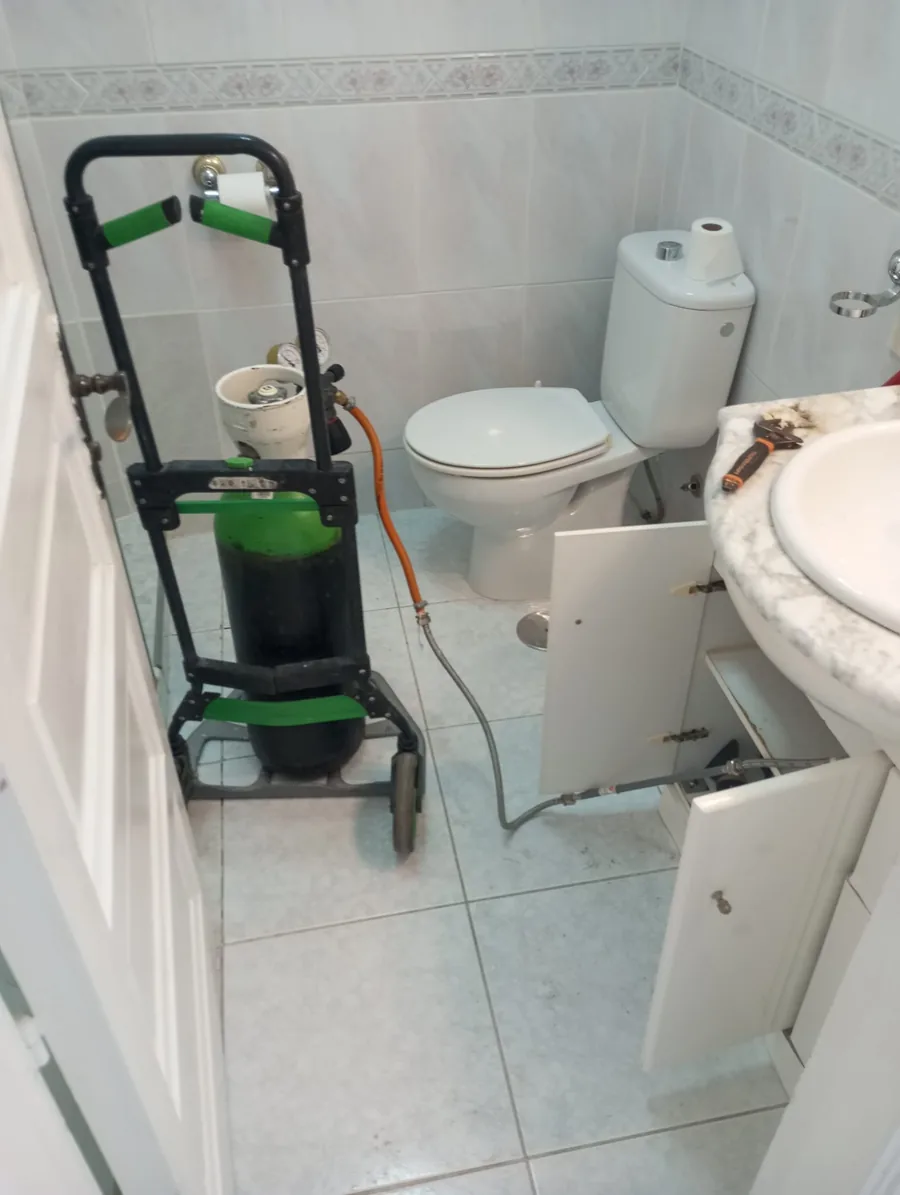
Tracer gas cylinder on a trolley inside a bathroom, connected under the basin
The whole rig fits inside the bathroom. Not one tile lifted to set it up.
Detector resting on the toilet, probe rod and gas cylinder during the bathroom sweep
Sweeping the bathroom: floor, inspection cover and under the fittings, one by one.
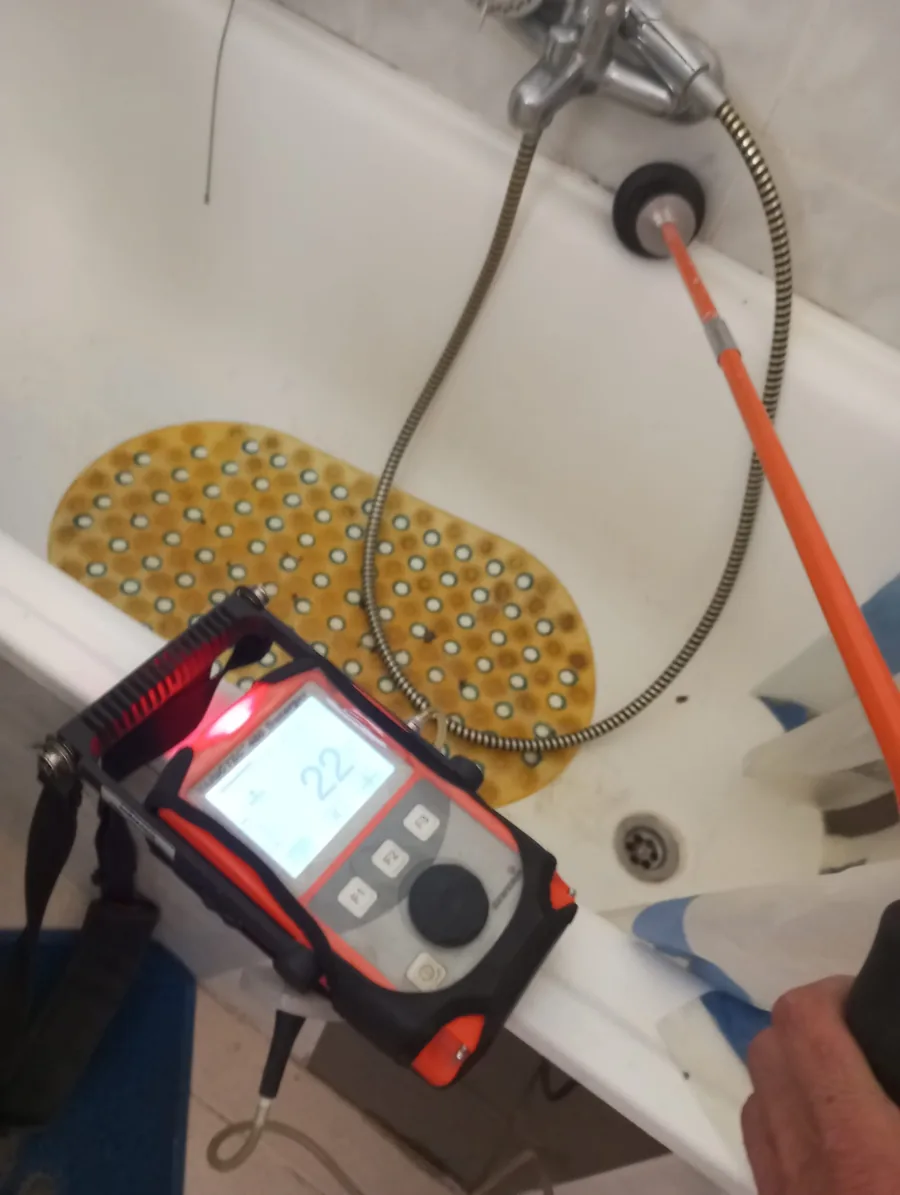
Detector screen showing a reading over the leak point, next to the bath
The reading climbs right over the leak. That is where we open, and only there.
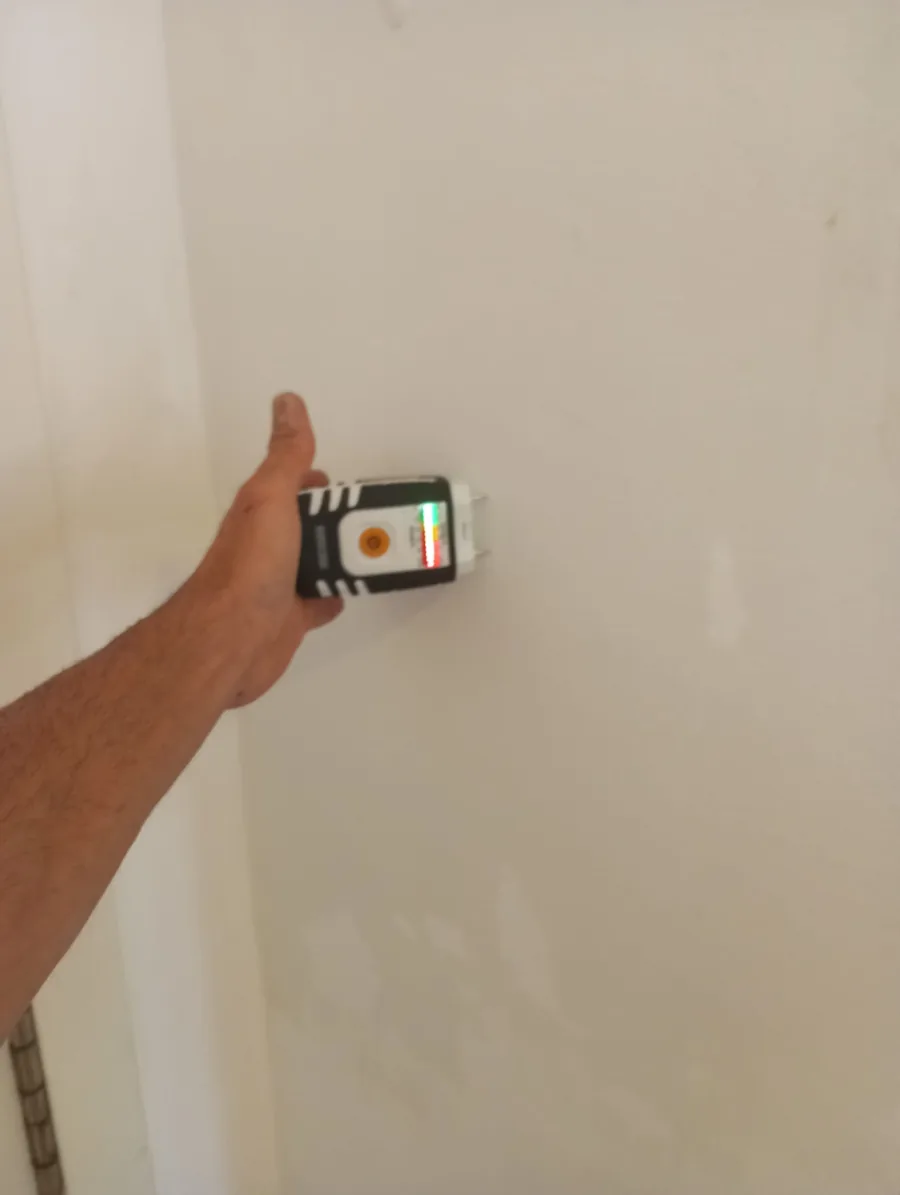
Moisture meter held against a wall to map out the wet area
The moisture meter maps the stain: how far the water has travelled inside the wall.
Wall opened only at the leak point, pipe repaired and held with a clamp
A hand's width of wall, not a room. Pipe exposed, repaired and clipped back.
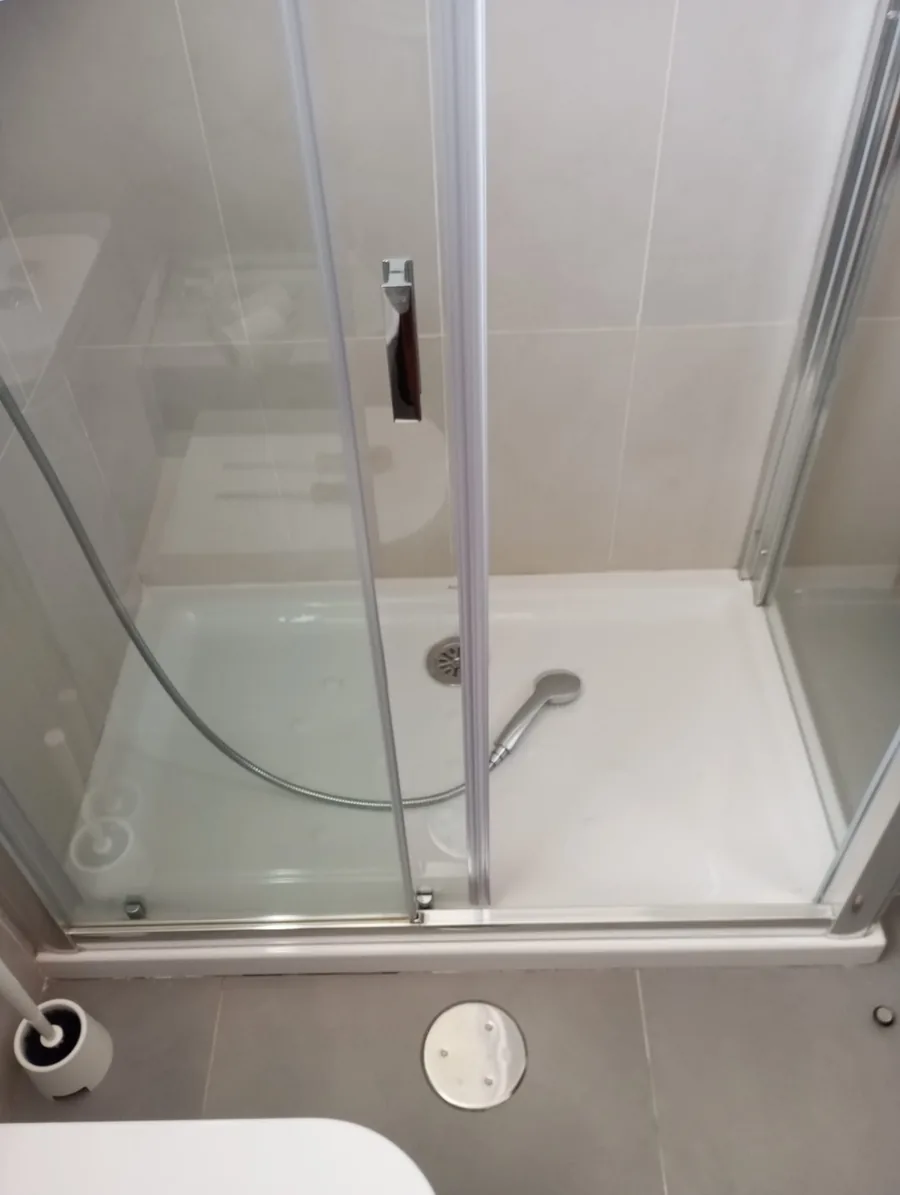
Finished bathroom, clean shower tray and floor inspection cover closed
And the bathroom goes back clean and usable, inspection cover closed.
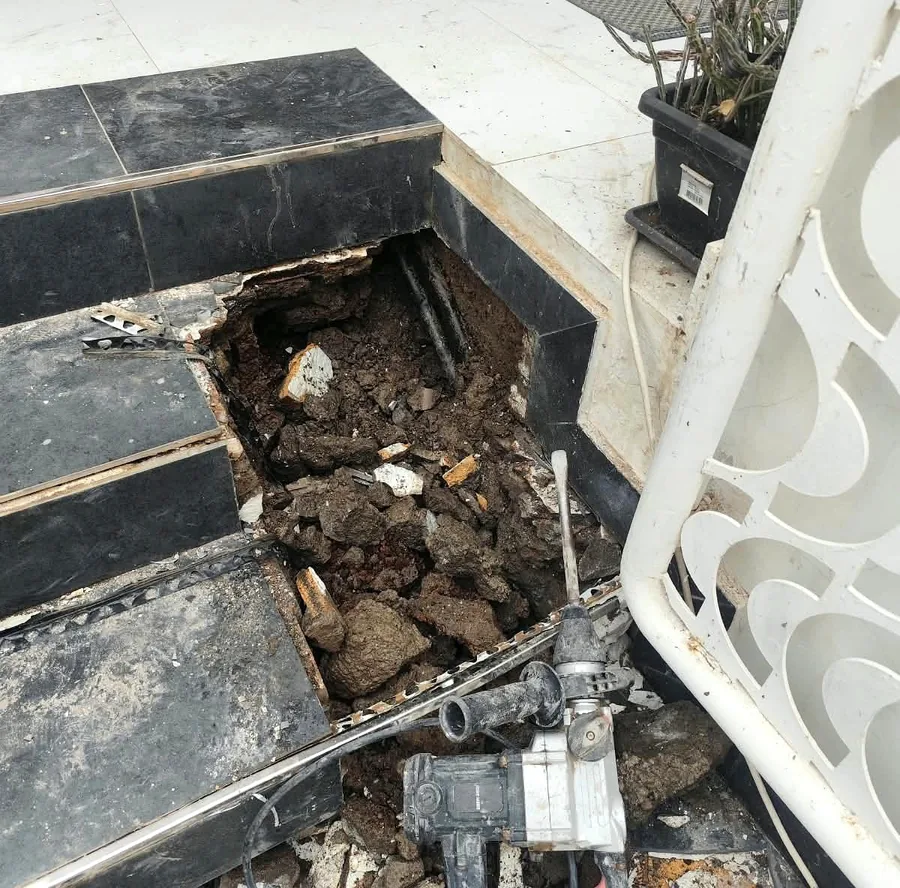
Entrance steps with one step opened to reach the pressure pipe; earth and rubble exposed
Calle Cataluña · Torviscas, AdejeLeak on the pressure pipe under the steps: located, the step opened and the pipe repaired.
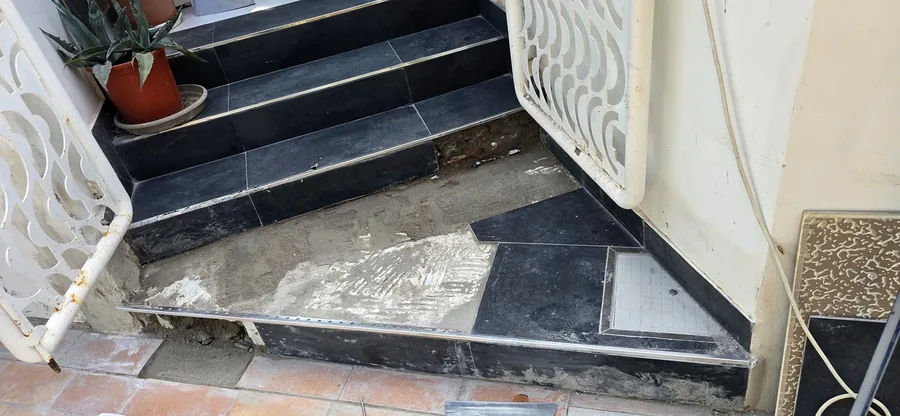
Bottom landing of the steps with the cement base rebuilt and some of the black tiles already laid
Calle Cataluña · Torviscas, AdejeThe base is rebuilt and the stair slabs replaced.
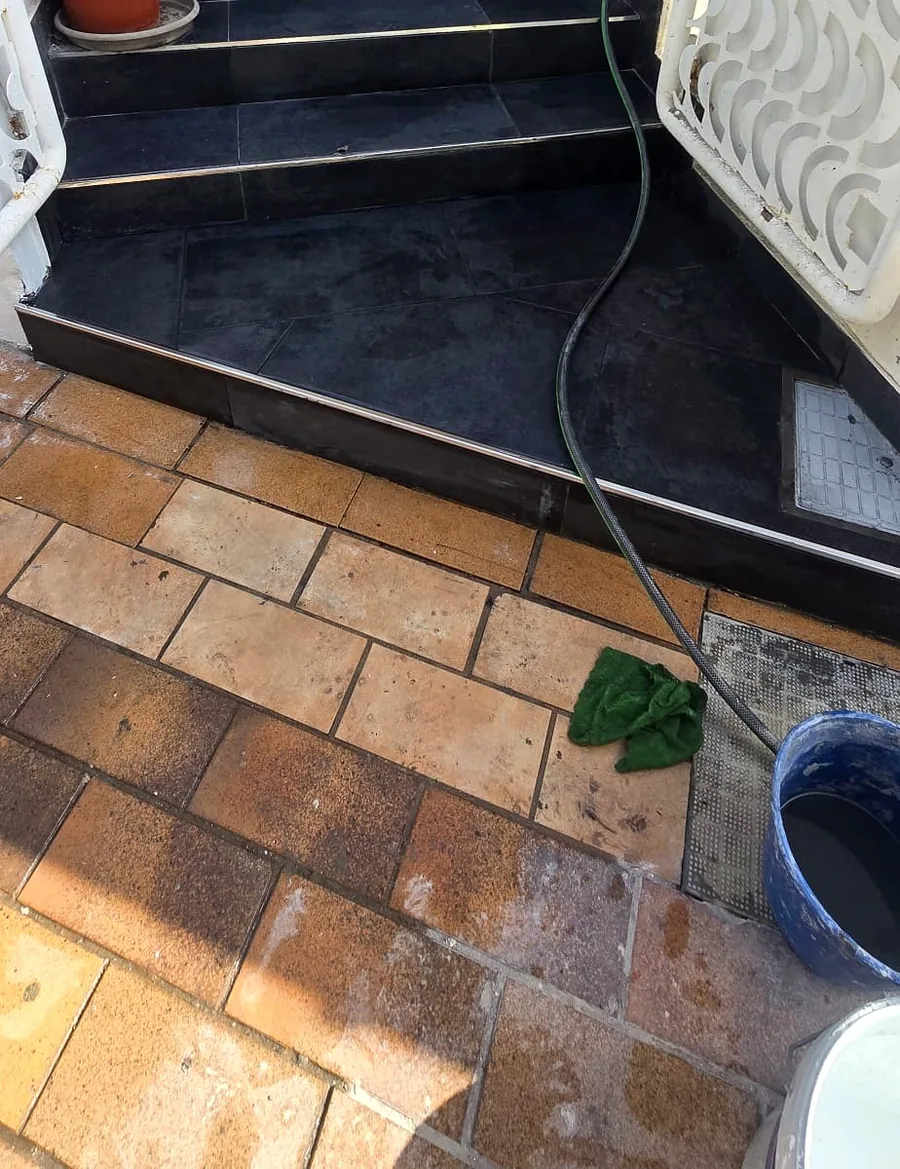
Finished entrance steps, every black tile back in place and the floor just washed
Calle Cataluña · Torviscas, AdejeSteps finished and clean, with new slabs and skirting.
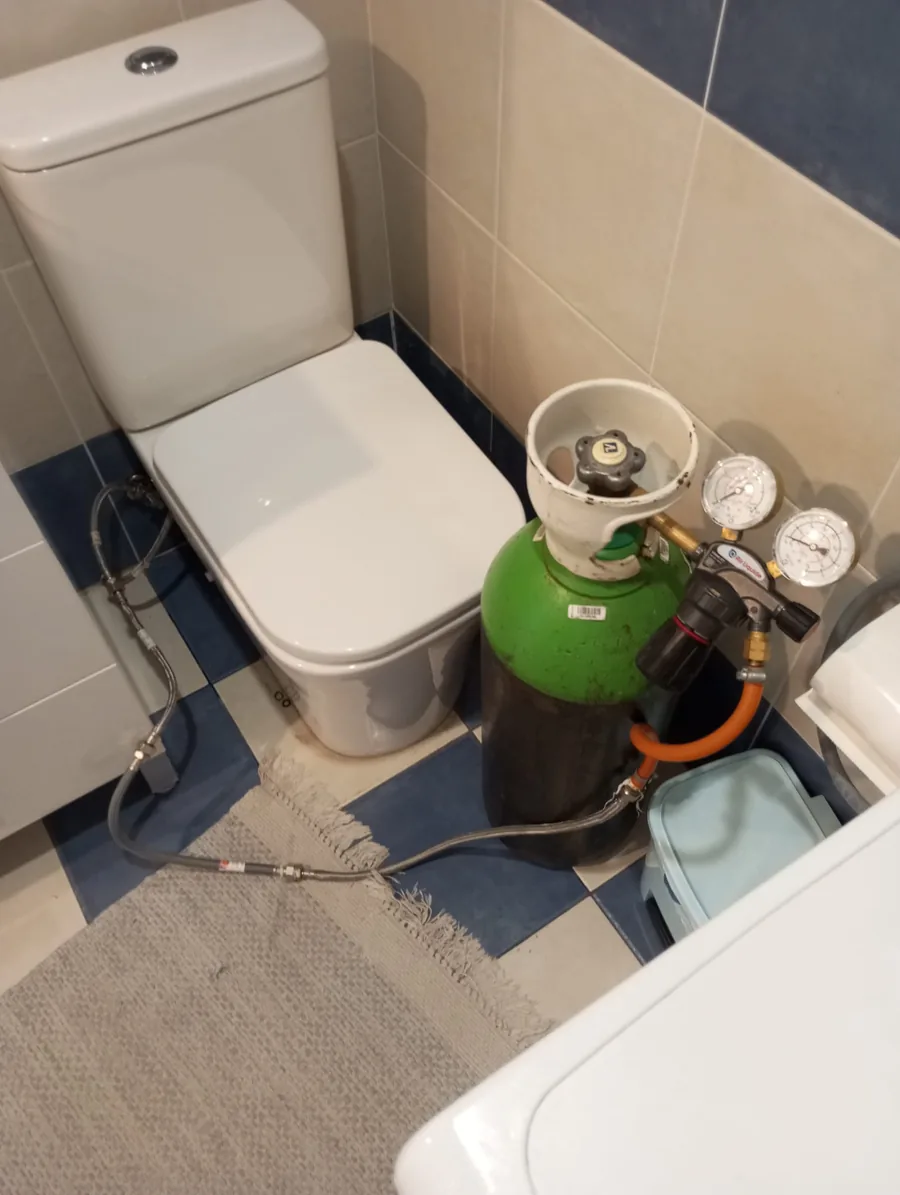
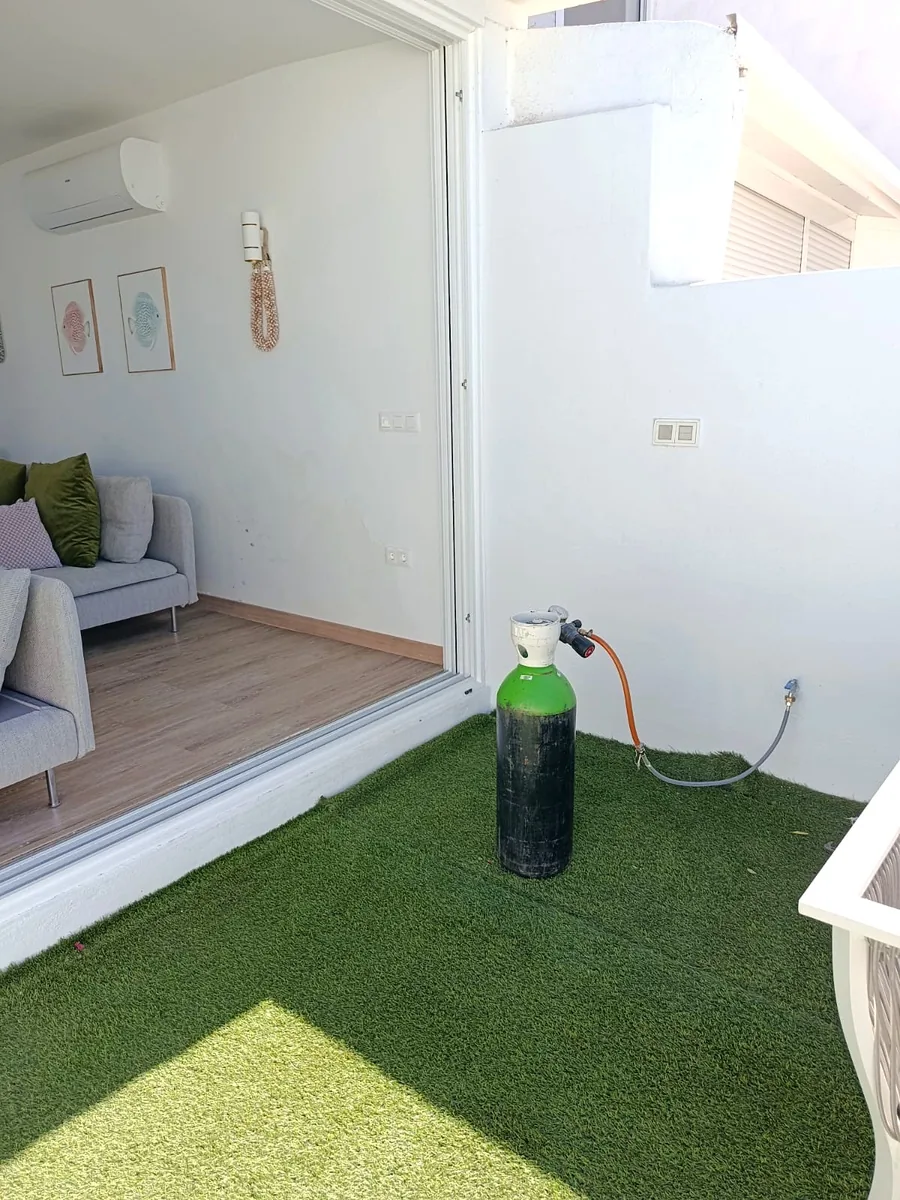
Tracer gas cylinder connected to the water supply from the terrace of a home
The tracer gas is connected to the water supply.
Technician running the tracer gas probe along the skirting board of a living room
The probe goes along the floor by the skirting until the detector reacts.
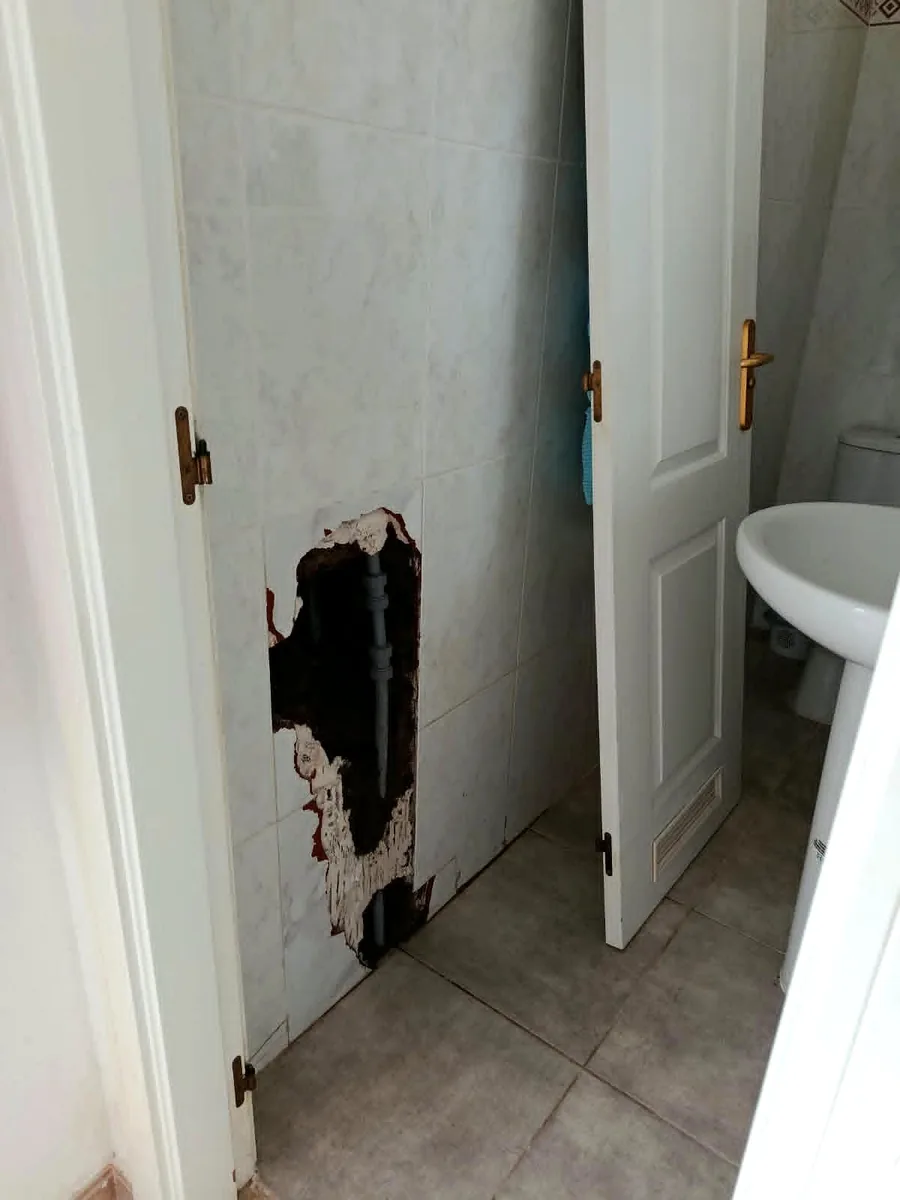
Tiled wall opened next to the bathroom door, with the pipe exposed
Wall opened next to the bathroom door: the pipe, exposed.
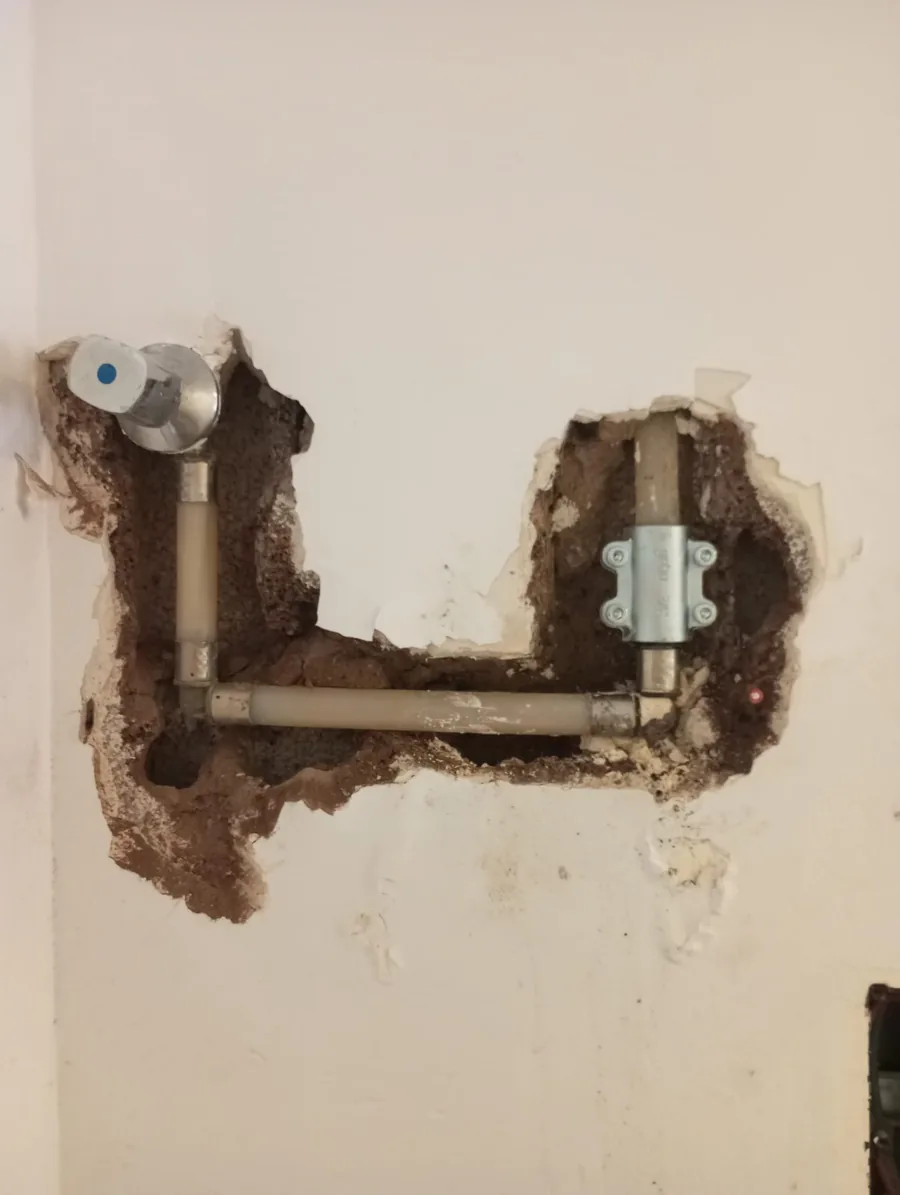
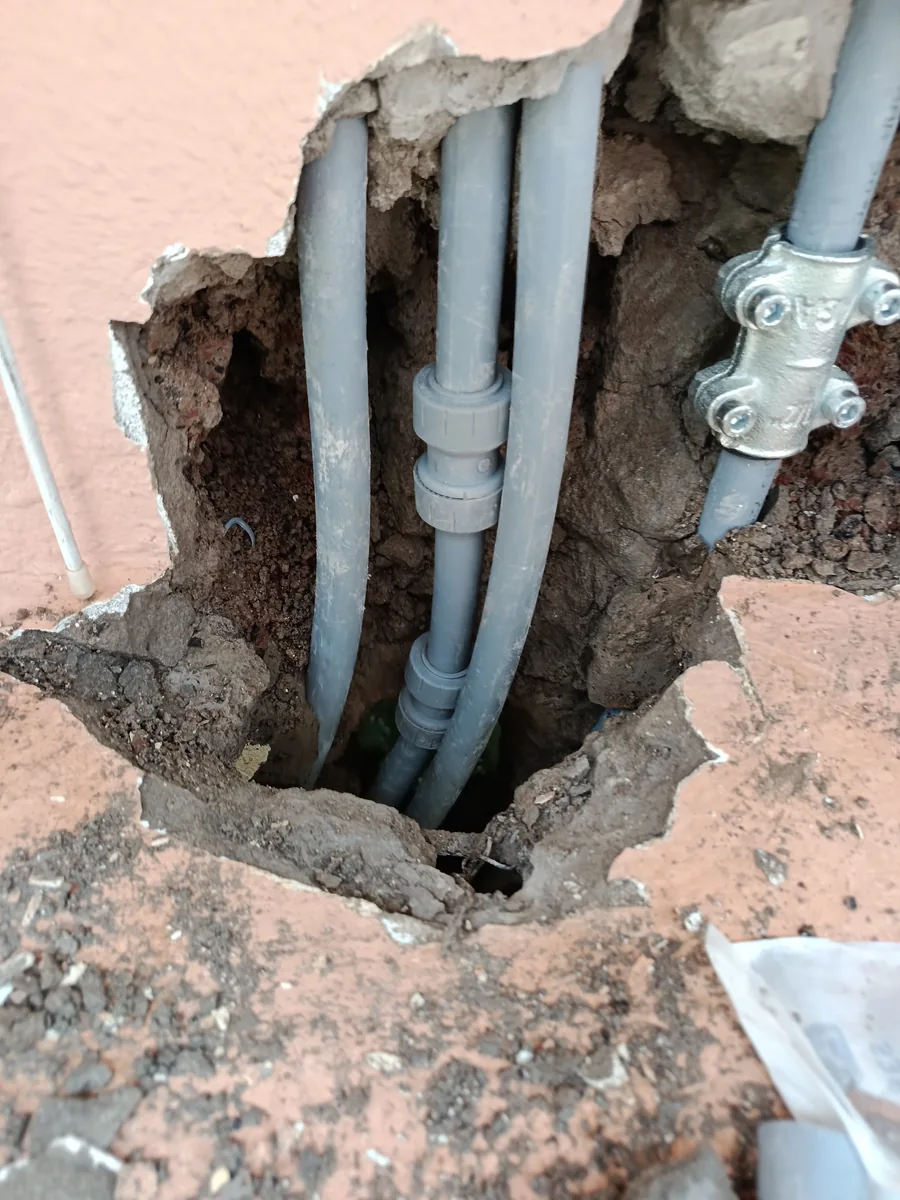
Outside wall opened with new grey polypropylene pipes, joints and a metal repair clamp
Los Cristianos, AronaNew pipes in the outside wall, before closing it.
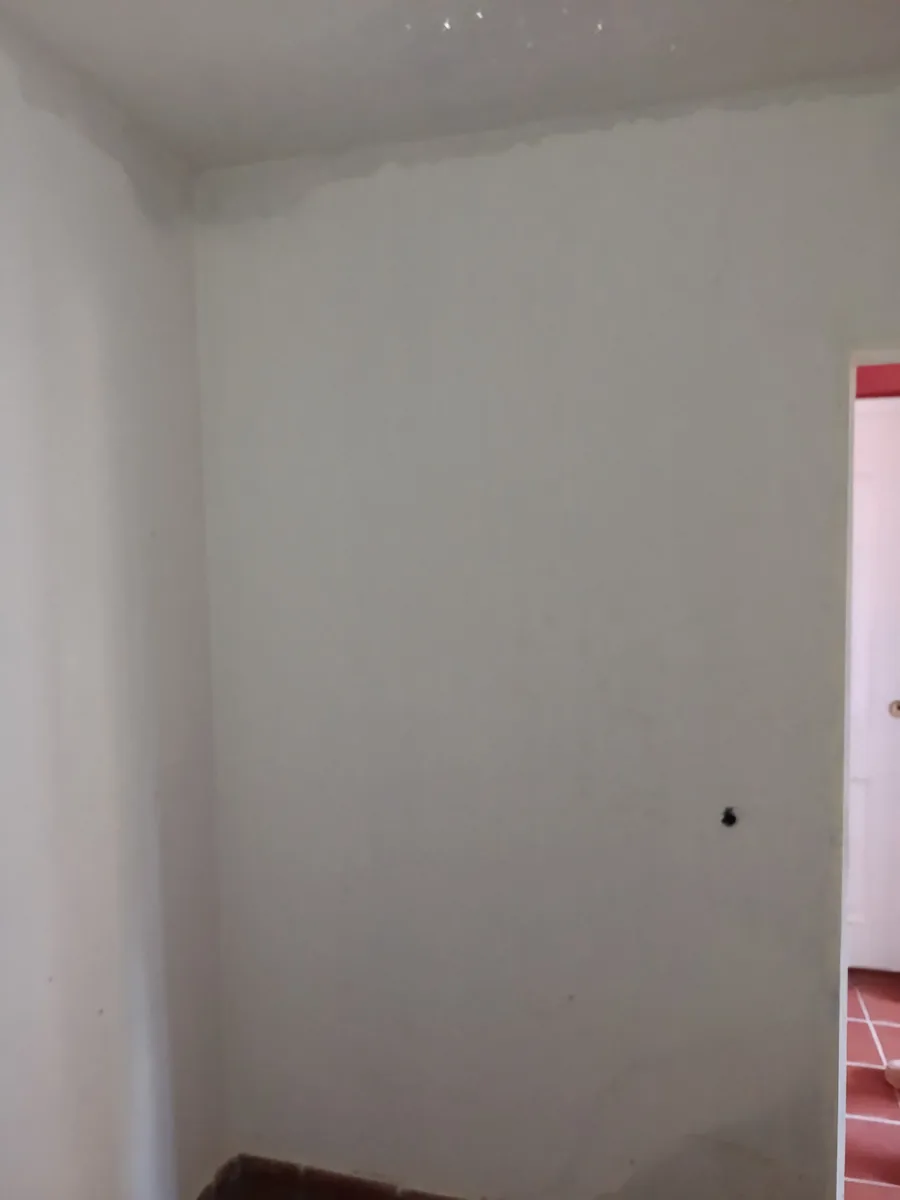
Damp stains on the ceiling and the top of the wall of a room
AdejeDamp on the ceiling and wall: first we look for the source.
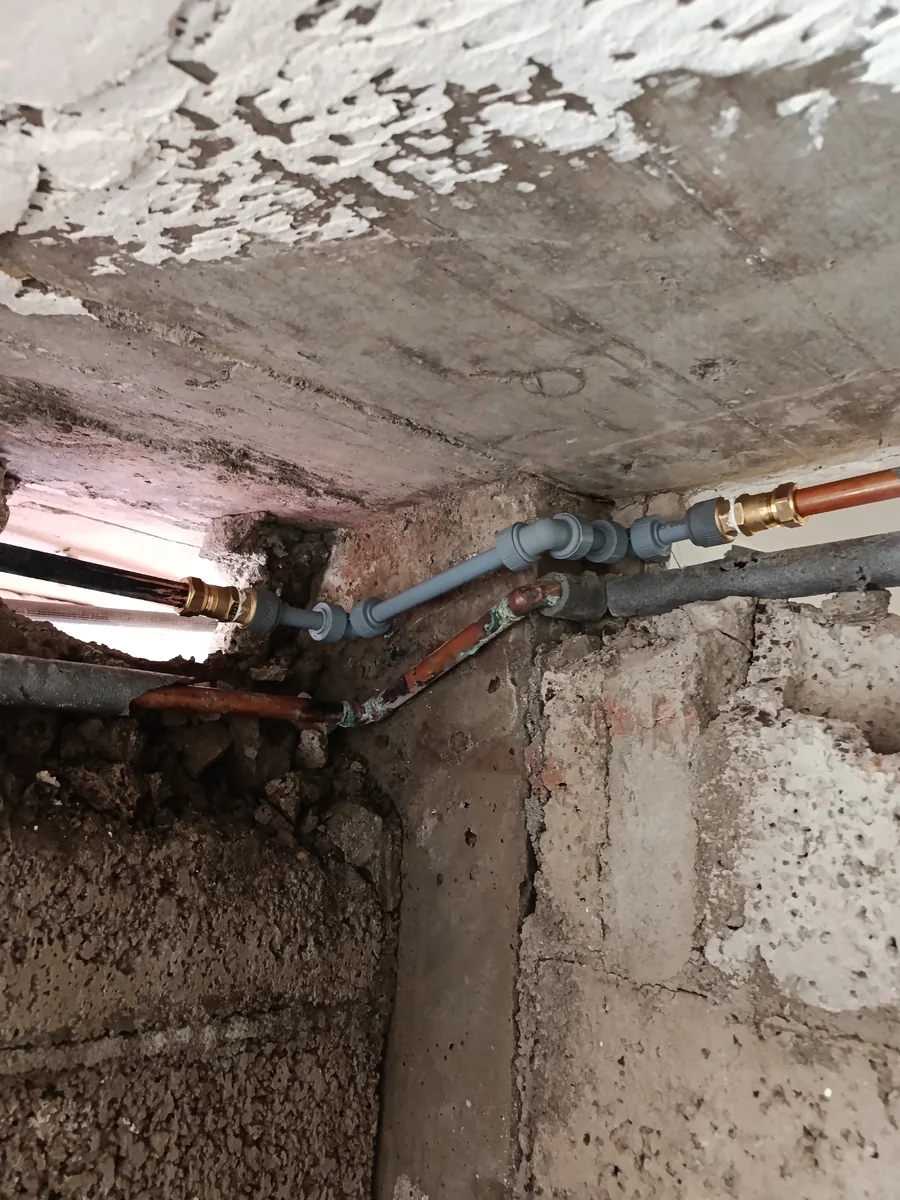
New section of grey polypropylene pipe joined to the copper pipe with brass fittings, inside the opened ceiling
AdejeNew polypropylene section joined to the copper with brass fittings.

Photographs of our own jobs, taken by us. No stock images.

What you save

Locating before breaking is not a technical luxury: it is the difference between repairing a metre of pipe and rebuilding a bathroom. It is also the evidence your insurer asks for. On a water damage claim, a report showing the traced leak in photographs is what moves the file forward — without it, everything takes longer.

Coming from an insurance claim? See how we work with insurers

  • Travel and visit: free.
  • Written, itemised quote before we start.
  • Tracing with camera and tracer gas as the case requires.
  • Photographic report of the located point, usable for your insurer or your community.
  • Repair and making good of the surface.
  • If what we touched fails, we come back; the guarantees the law provides and the manufacturer's guarantee on materials apply.

Before you call

Do I have a water leak? Seven signs and what to do

The ten-minute meter test and what to do while the plumber is on the way.

/en/guides/how-to-tell-if-you-have-a-water-leak/

Frequently asked questions

How long does it take to find a leak?

In most homes, a single visit. The difficult cases are old buried installations and communal areas with several branches; there a second visit may be needed, and we tell you that beforehand, not afterwards.

Do you have to break something?

Not to find it. To repair it, usually yes at one point, because the pipe is where the pipe is. The difference is opening a hand's width knowing where, or opening blind.

Is tracer gas dangerous, or does it leave a smell?

No. It is an inert gas, non-toxic and non-flammable in the mixture used, and it disperses by itself. You can carry on living in the house.

Does it work for irrigation and buried pipes?

Yes — that is exactly where it earns its keep: under floors, in gardens and in buried installations where there is nothing to see.

Will my insurance pay for finding the leak?

Often, yes. Many home policies cover locating the source of water damage — the cover a British policy calls trace and access — even when replacing the pipe itself is dealt with separately. Ask your insurer; we give you the written quote so you can ask with a figure in front of you.

Do you work with communities and managing agents?

Yes, with a photographic report for the committee or the insurer, and a single point of contact for the whole south.

Which areas?

Arona, Los Cristianos, Adeje, Costa Adeje, San Miguel, Granadilla, El Médano, Guía de Isora and the rest of the south, from Masca to Las Eras.
Think you have a leak?

Close the stopcock, look at the meter and call us. We come, we trace it and we tell you exactly what needs doing, with the price up front.

Call WhatsApp